Scales, Arpeggios, and Harmony
Welcome to Scales and Arpeggios. Each lesson shows how to use scales and arpeggios over real chord progressions—not as isolated fretboard patterns, but as tools for melodic improvisation.
How to Use These Lessons
Each lesson includes:
- Playable musical examples — standard notation and tab; practice along in Music Buddy
- Tab and Chords toggles — turn on Tab to see fretboard positions; turn on Chords when examples outline triads or arpeggios
- Theory in context — why each idea matters over actual harmony
- Curated videos — YouTube lessons embedded to illustrate key concepts
- Practice tips — focused guidance for each topic
The Core Idea
Scales give you notes to choose from. Arpeggios tell you which notes matter most—the chord tones that define the harmony underneath your solo.
Instead of "I'm in C major, so I'll run the C major scale," think:
- Over C major, emphasize C, E, and G
- When the chord moves to Am, target A, C, and E
- Use scale passages to connect between those landing points
That shift—from key-based to chord-based thinking—is what makes solos sound connected to the music.
X:1
T:Arpeggios Outline Each Chord
K:C
M:4/4
L:1/4
"C" C E G E | "Am" A c e c | "F" F A c A | "G" G B d B ||
Play this example in Music Buddy. Turn on Tab if you need fretboard guidance, and Chords to see the underlying shapes. Compare it to running a C major scale up and down—the arpeggio version tracks each chord change.
—a useful overview before diving into the lessons.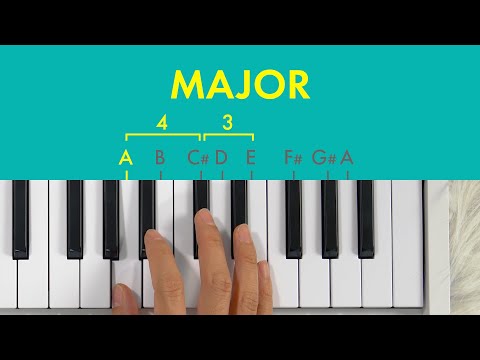
Practice tip: Before each practice session, name the three notes in the chord you're soloing over. Root, third, fifth—that's your target list.
Further viewing
- (Rick Beato)—how scales and chords connect on the fretboard
- —from scale patterns to melodic lines
Let's begin with the harmonic foundation: chords and chord tones.
©Music Buddy