Chords and Chord Tones
Every solo sits on top of chords. The notes that make up those chords—chord tones—are your safest, strongest choices when you land a phrase.
What Is a Chord?
A triad stacks three notes in thirds:
- Root — names the chord (C in C major)
- Third — major or minor; sets the mood
- Fifth — adds stability
X:1
T:C Major Triad
K:C
M:4/4
L:1/2
[CEG]2 | C E G c ||
The first bar is the chord stacked; the second is the same notes played one at a time—an arpeggio.
Each example is playable in Music Buddy. Turn on Tab to locate notes on the fretboard. For stacked-chord examples, turn on Chords to see diagram shapes.
Major vs Minor: One Note Changes Everything
X:2
T:Major vs Minor Third
K:C
M:4/4
L:1/4
"C" C E G c | "Cm" C _E G c ||
E (major third) sounds bright; Eb (_E) sounds darker. That single interval defines the chord quality.
Why Chord Tones Matter When You Solo
When a C major chord is playing, C, E, and G always fit—they are the chord. Landing on them at phrase endings creates clear resolution and connects your solo to the harmony.
X:3
T:Phrase Ending on Chord Tones
K:C
M:4/4
L:1/8
"C" C D E F | G F E2 | G A B c | c B G E ||
Notice how E and G (chord tones) appear at phrase peaks, and the line resolves to E on the final beat.
Connecting Chord Tones
Use scale notes between chord tones as passing tones. Start and end on chord tones; fill the middle with stepwise motion.
X:4
T:Connecting C and Am Chord Tones
K:C
M:4/4
L:1/8
"C" C D E D | E F G F | "Am" E D C D | E F G A ||
Over C: anchor on C, E, G. Over Am: shift to A, C, E. The shared C and E make the transition smooth.
Common Triads in C Major
X:5
T:Major and Minor Triads
K:C
M:4/4
L:1/4
"C" C E G | "F" F A c | "G" G B d | "Am" A c e | "Dm" D F A | "Em" E G B ||
Before moving on, you should be able to name the three notes in any major or minor triad. Everything that follows—arpeggios, targeting, voice leading—builds on this.
in three notes per chord.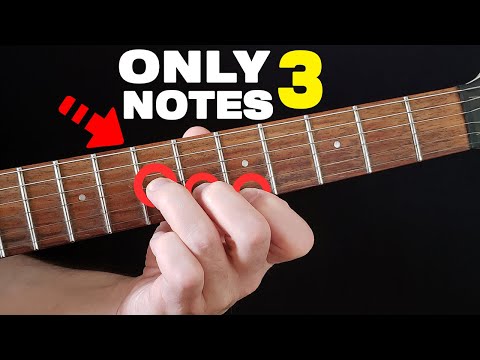
Practice tip: Pick one chord (say, Am). Play its arpeggio ascending and descending, then improvise a four-bar phrase that starts and ends on a chord tone.
Further viewing
- (Rick Beato)—triads, inversions, and how chords are built
- (Michael New)—how keys and chord families relate

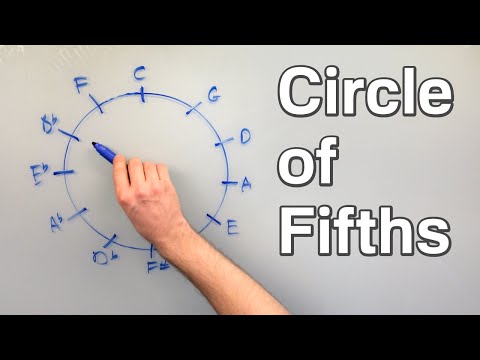
Next: how the major scale generates all these chords through diatonic harmony.
©Music Buddy