Connecting Scales and Arpeggios
The best solos blend both approaches: arpeggios for harmonic clarity, scales for melodic flow. This lesson shows how to weave them together.
Two Extremes
Scale-only — smooth but harmonically vague:
X:1
T:Scale-Based Phrase
K:C
M:4/4
L:1/8
C D E F G A B c | c B A G F E D C ||
Arpeggio-only — clear but can sound mechanical:
X:2
T:Arpeggio-Based Phrase
K:C
M:4/4
L:1/8
C E G c e g c' g | e c G E C z2 ||
Each example is playable in Music Buddy. Use Tab for fretboard positions and Chords on the arpeggio example.
The Blend
Combine stepwise runs with arpeggio outlines:
X:3
T:Blended Phrase
K:C
M:4/4
L:1/8
C D E F | G E C E | G A B c | d c B A | G F E D | C2 ||
Stepwise motion (C–D–E–F) connects arpeggio jumps (C–E–G).
Scales as Connective Tissue
Think of arpeggios as destinations and scales as the path between them:
X:4
T:Arpeggios Connected by Scale Motion
K:C
M:4/4
L:1/8
"C" C E G c | B A G F | "Am" E F G A | c e g e | "F" A B c d | f e d c | "G" B c d e | f d B G | "C" C2 ||
Each chord gets an arpeggio outline; scale steps fill the gaps.
Outline and Fill
Step 1 — Arpeggio skeleton:
X:5
T:Arpeggio Skeleton
K:C
M:4/4
L:1/4
"C" C E G c | "Am" A c e a | "F" F A c f | "G" G B d g | "C" c ||
Step 2 — Fill with scale notes:
X:6
T:Filled-In Version
K:C
M:4/4
L:1/8
"C" C D E F G A G E | "Am" c d e f g a g e | "F" c d e f g a g f | "G" e f g a b c' b a | "C" g f e d c2 ||
Build the skeleton first. Add passing tones second. The harmony stays clear because the arpeggio bones are still there.
Approach Patterns
Use scale steps to lead into arpeggio targets:
X:7
T:Approaching Chord Tones
K:C
M:4/4
L:1/8
"C" B c | A B c | G A B c | F G A B c ||
Each group resolves upward to a chord tone.
Varying Density
Alternate sparse arpeggios with dense scale runs for musical contrast:
X:8
T:Sparse Then Dense
K:C
M:4/4
L:1/8
"C" C2 E2 | G4 | c d e f g a b c' | "Am" A2 z2 ||
Space followed by activity keeps a solo breathing.
Practical Exercise
Take a I-vi-IV-V progression and develop it in stages:
X:9
T:Progressive Development
K:C
M:4/4
L:1/8
"Arpeggios" "C" C E G c | "Am" A c e a | "F" F A c f | "G" G B d g |
"With fills" "C" C D E F G E C E | "Am" A B c d e c A c | "F" F G A B c A F A | "G" G A B c d B G B ||
Start with arpeggios only. Add scale fills once the outline feels solid.
Great solos balance clarity (arpeggios) with flow (scales)—neither alone is enough.
—the same mix of clarity and flow this lesson describes.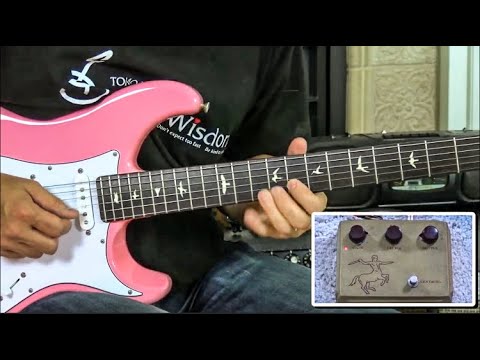
Practice tip: Record yourself playing arpeggios only over a progression, then record again adding scale fills. Compare the two—hearing the difference trains your ear faster than reading about it.
Further viewing
- (Signals Music Studio)—hearing how scale choices change the color of a line

Next: putting everything together over real progressions.
©Music Buddy